
Understanding Fight, Flight, Freeze, and Fawn Responses

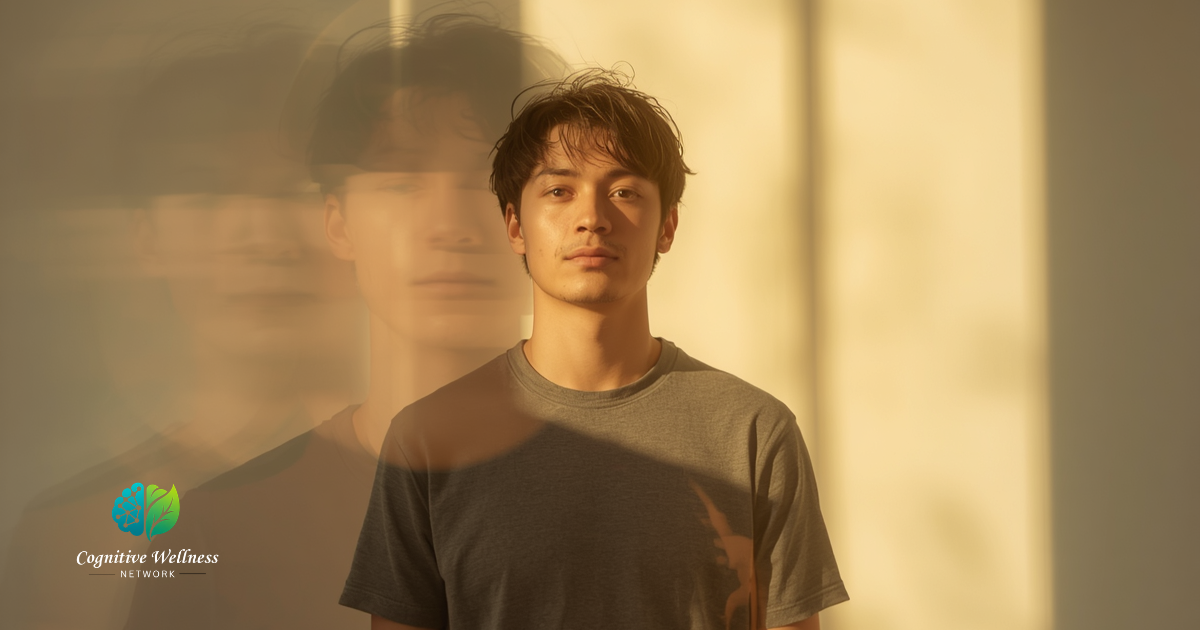
The human nervous system is designed to respond to stress in ways that help protect the body and maintain safety. These protective responses are deeply adaptive and are often described as fight, flight, freeze, and fawn patterns.
While these responses are natural parts of the stress response system, prolonged activation may contribute to emotional fatigue, nervous system overload, and reduced recovery over time.
As awareness around emotional wellness and nervous system regulation continues to grow, more individuals are beginning to explore how these patterns may influence everyday life, relationships, stress recovery, and cognitive wellness.
Understanding Stress Responses
Stress responses are not personal failures or signs of weakness. They are protective nervous system patterns that may develop during periods of uncertainty, emotional overwhelm, prolonged stress, or perceived danger.
Some individuals may respond to stress through heightened emotional intensity or defensiveness. Others may become restless, constantly busy, emotionally shut down, or highly focused on maintaining harmony with others.
These experiences are often discussed through the framework of fight, flight, freeze, and fawn responses.
Fight and Flight Patterns
The fight response is commonly associated with emotional intensity, frustration, irritability, or a strong desire to regain control during stressful situations. The flight response, by contrast, is often connected to urgency, restlessness, anxiety, chronic busyness, or difficulty slowing down.
In modern life, many individuals experience prolonged periods of stress that may keep the nervous system in ongoing states of activation. Productivity pressure, emotional overload, and constant stimulation can make it difficult for the body to fully recover.
Over time, these patterns may contribute to exhaustion, reduced emotional resilience, and chronic stress fatigue.
Freeze and Fawn Patterns
The freeze response is often associated with overwhelm or emotional shutdown. Individuals may feel mentally exhausted, disconnected, numb, or unable to move forward clearly. In many wellness conversations, freeze responses are increasingly understood as protective nervous system patterns rather than personal shortcomings.
The fawn response is commonly associated with people-pleasing or prioritizing the emotional needs of others in order to maintain safety or reduce conflict. Some individuals may struggle with boundaries, emotional overextension, or chronic self-sacrifice during periods of stress.
These patterns are becoming increasingly recognized within emotional wellness and nervous system recovery conversations.
Why Awareness Matters
Understanding stress responses may help individuals build greater emotional awareness and self-compassion around how the body responds during stressful experiences.
Rather than judging these responses, many wellness-centered approaches encourage individuals to view them as signals that the nervous system may be seeking greater support, recovery, or emotional safety.
This awareness may help support healthier approaches to stress recovery, emotional wellness, resilience, and nervous system balance over time.
Wellness-Centered Support
Many supportive wellness approaches now focus on helping individuals create more opportunities for restoration and regulation throughout daily life.
Practices such as mindfulness, restorative movement, emotional wellness support, somatic awareness, breathwork, and sleep-focused recovery are increasingly integrated into nervous system wellness conversations. These approaches often encourage greater emotional awareness and more sustainable recovery habits.
Final Thoughts
Fight, flight, freeze, and fawn responses are increasingly recognized as important parts of modern conversations surrounding emotional wellness and nervous system health.
Understanding these patterns may help individuals approach stress, recovery, and emotional well-being with greater awareness, compassion, and balance.